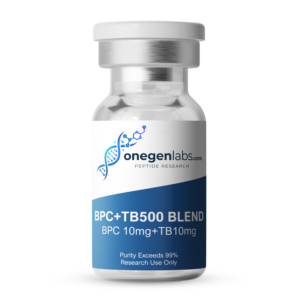

TB500
Product Details
TB-500 — Research Peptide
TB-500 is a synthetic peptide version of a naturally occurring protein fragment known as Thymosin Beta-4 (TB4), which is commonly studied in laboratory settings for its role in cellular migration, actin regulation, tissue remodeling pathways, and peptide signaling mechanisms.
Scientific literature has explored Thymosin Beta-4 and related peptide fragments in research involving cell differentiation, angiogenesis, cytoskeletal organization, and cellular communication pathways. Studies have investigated how TB4-related peptides interact with actin-binding mechanisms and cellular signaling processes associated with tissue maintenance and repair pathways in experimental models.
Published research has examined TB-500 in areas involving cellular migration, inflammatory signaling, extracellular matrix interactions, and molecular communication pathways. Additional laboratory studies have investigated its role in peptide-mediated cellular responses and biochemical signaling systems.
This compound is supplied for qualified laboratory research and analytical purposes only.
Product Details
Product Name: TB-500
Alternative Name: Thymosin Beta-4 Fragment
Form: Lyophilized peptide powder
Grade: Research use only
Application: Laboratory research and analytical testing only
Storage: Store in a cool, dry place under proper laboratory storage conditions.
Research Areas
This compound may be used in research related to:
- Cellular migration and actin regulation studies
- Tissue remodeling and extracellular matrix research
- Peptide signaling and molecular pathway investigation
- Angiogenesis and cellular communication analysis
- Cytoskeletal organization research
- Inflammatory signaling pathway studies
- Cellular differentiation and biochemical signaling research
Important Disclaimer
For research use only. Not for human use. Not for animal use. Not for consumption, injection, ingestion, cosmetic use, medical use, veterinary use, or therapeutic application. This product is not intended to diagnose, treat, cure, or prevent any disease. Must be handled only by qualified professionals in a controlled laboratory setting.
Due to current demand and supply availability, peptide vial cap colors may vary. Cap color is determined by available laboratory packaging materials and does not indicate any difference in product identity, specifications, or quality.
Lorem ipsum dolor ist amte, consectetuer adipiscing eilt. Aenean commodo ligula egget dolor. Aenean massa. Cum sociis natoque penatibus et magnis dis parturient montes, nascetur ridiculus mus. Donec quak felis, ultricies nec, pellentesque eu, pretium quid, sem.